Pit Boss vs Yoder: A $749 Grill and a $2,699 Grill Walk Onto My Deck
Pit Boss Pro Series vs Yoder YS640s and YS480s: specs, warranty math, price per square inch, and owner complaints from side-by-side cooks. Two different universes, and an honest answer for both budgets.
 By Oleg Galeev, cooking on pellet grills since 2020, runs the OleGrill YouTube channel
Short answer
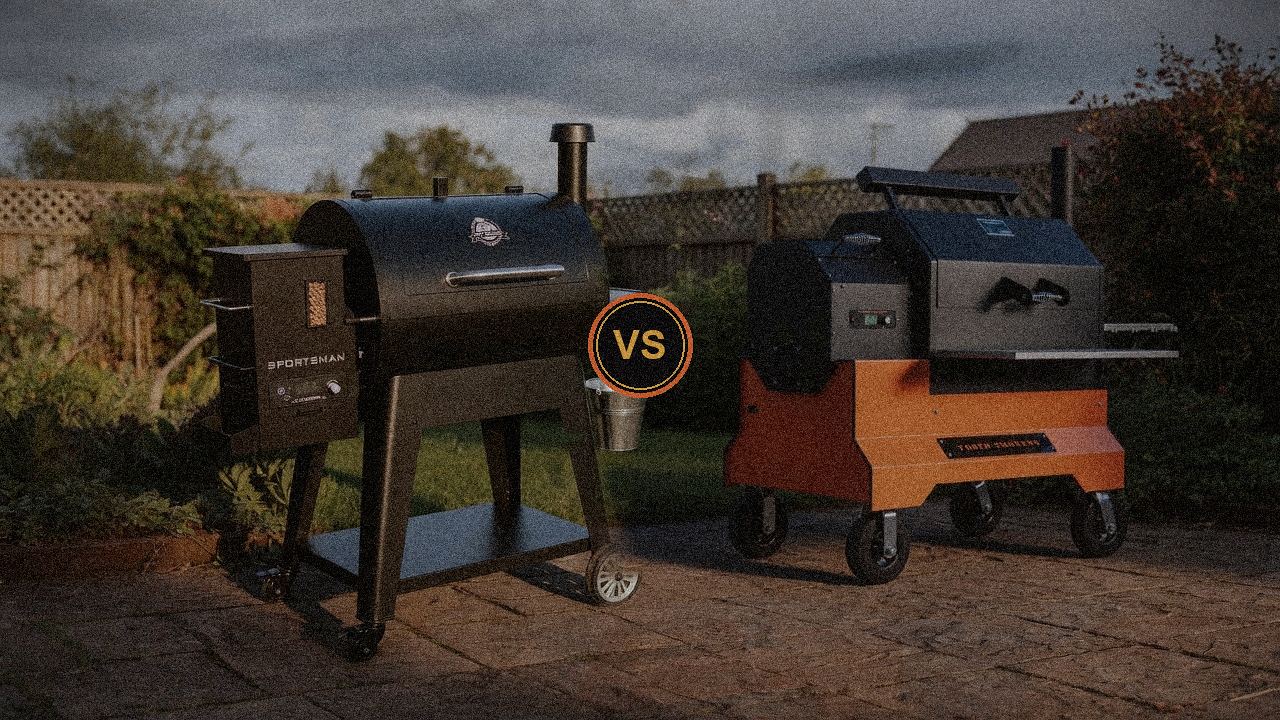
Define your budget and the winner defines itself. Pit Boss sells the most grill per dollar at retail: the $749 Sportsman costs $0.88 per square inch against $2.52 for the Yoder YS640s. Yoder sells quarter-inch American steel, a 10-year warranty, and a pit built to outlive the decade, at three to four times the price.
Live prices. Affiliate links: we may earn a commission at no extra cost to you. How this works.
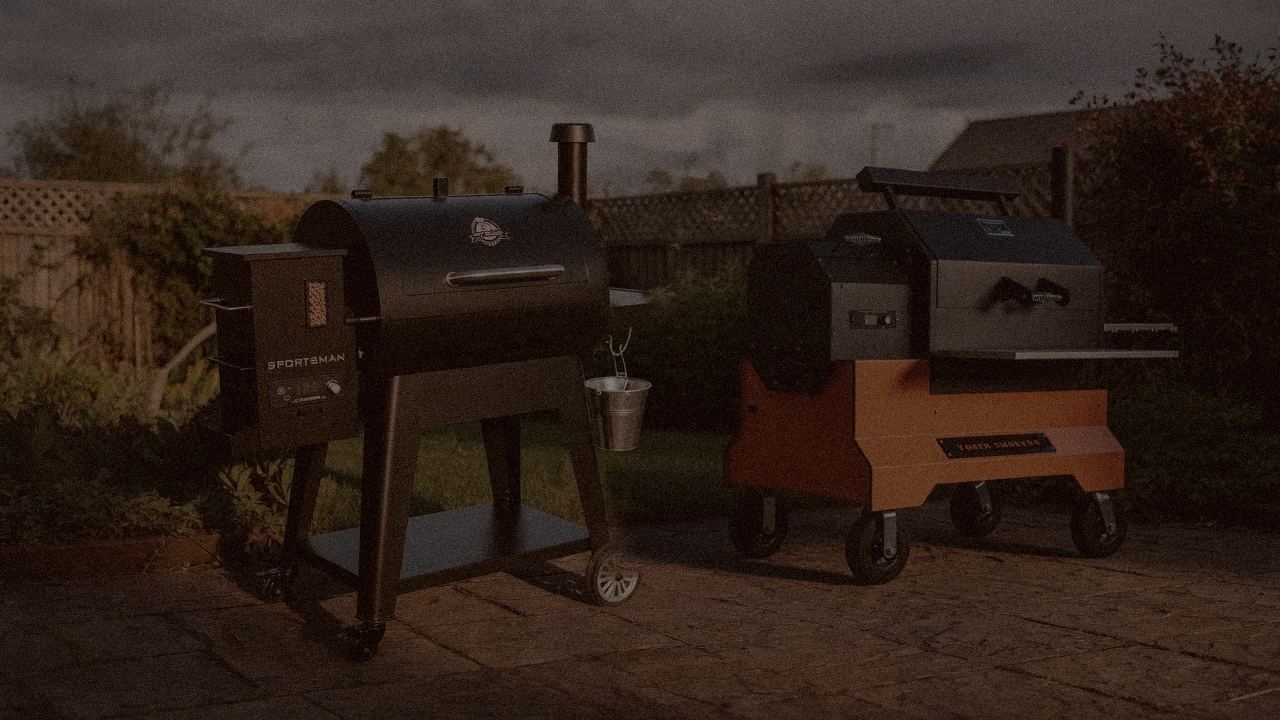
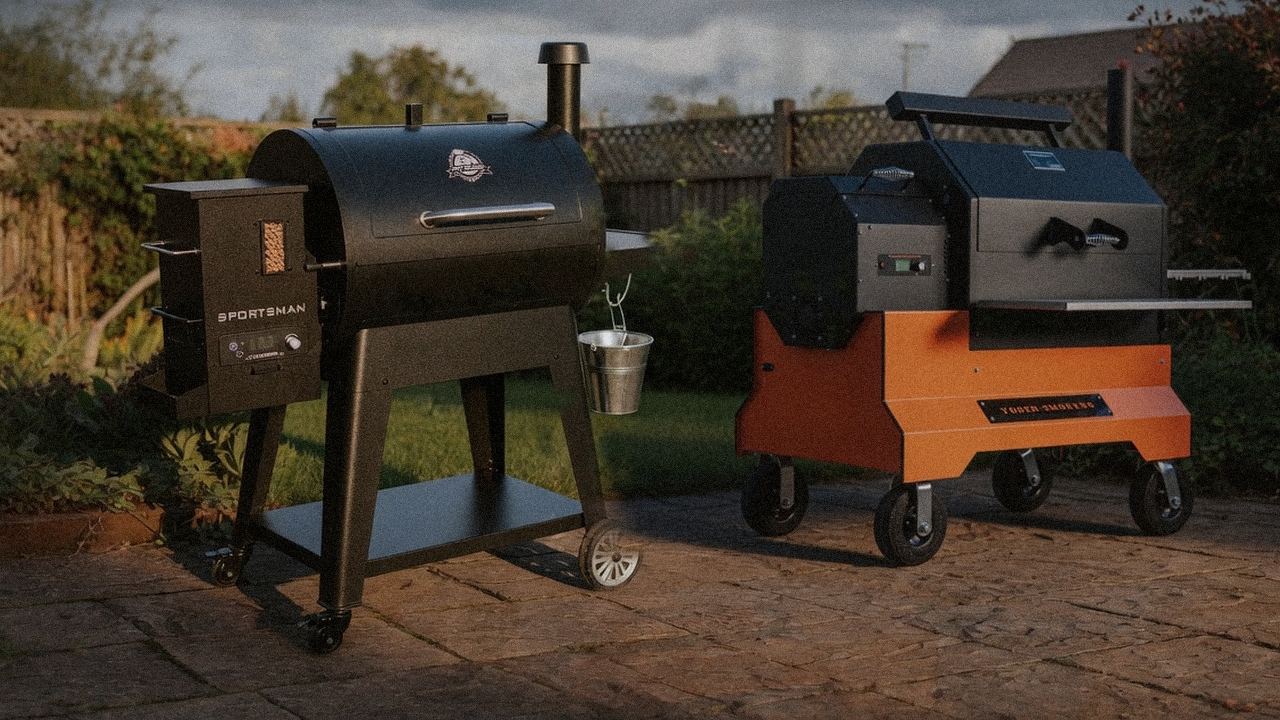
Closing the lid on a Yoder YS640s sounds like shutting a bank vault. Closing the lid on my Pit Boss Pro 850 sounds like closing a grill. I had both running the same afternoon, ribs on the Pit Boss and a pork butt on the Yoder, and the honest thing to say up front is that this comparison is not really a fight. One of these costs $749 to $2,249 less than the other depending on which models you cross-shop. They are built for different buyers, so instead of a fake horse race, here's what each brand actually is, where the money goes on each side, and a plain answer for both budgets. It is one of the matchups behind the best wood pellet grills rankings on this site.
Pull temps still follow the USDA safe minimum internal temperatures for poultry, pork, and ground beef, no matter which hopper you bought.
Warranty language is what Pit Boss's warranty page actually publishes, not a forum guess.
Pit Boss vs Yoder at a glance
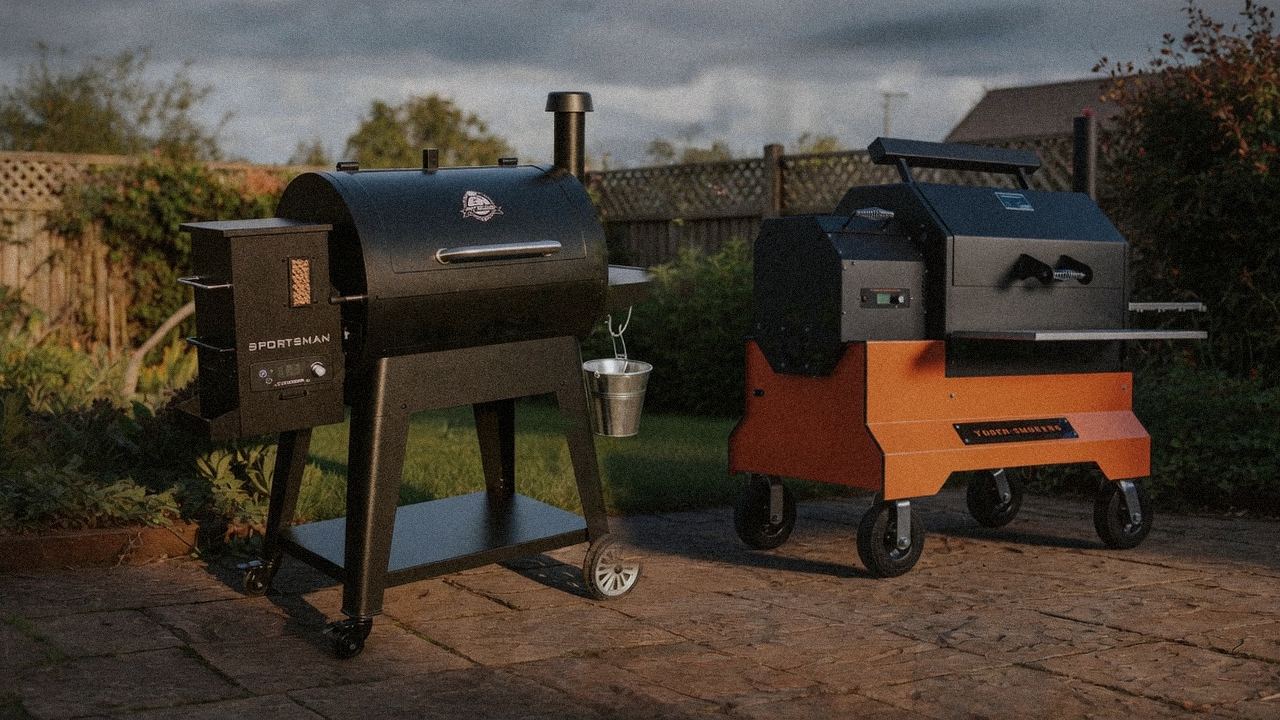
Pit Boss Pro Series grills give you 850 to 1,150 square inches, WiFi, slide-plate searing, and a 5-year warranty at big-box prices. The Yoder YS640s costs $2,699 for 1,070 square inches, backed by a perfect 10 build score and a 10-year warranty. Same fuel, completely different products.
| Spec | Pit Boss Pro 850 | Yoder YS640s | Yoder YS480s |
|---|---|---|---|
| Price | - | $2,699 | $2,249 |
| Cooking area | 850 sq in | 1,070 sq in | 800 sq in |
| Hopper | 20 lb | 20 lb | 20 lb |
| Max temp | 500°F | - | - |
| WiFi | Yes | Yes | Yes |
| Direct sear | Yes | Yes | Yes |
| Warranty | 5 years | 10 years | 10 years |
Both brands cover the sear question, which surprises people. Pit Boss has run slide-plate direct flame across the lineup for years, and Yoder's direct grilling setup is one of the best in the category. Where the spec sheet splits is time: 5 years of coverage against 10, and the steel that promise is written on.
Here is the current Pit Boss lineup we've cooked on, since "Pit Boss" is really four grills:
| Pit Boss model | Cooking area | Hopper | Max temp | WiFi | Warranty |
|---|---|---|---|---|---|
| Sportsman ($749) | 849 sq in | 21 lb | 500°F | Yes | 5 yr |
| Pro Series 850 | 850 sq in | 20 lb | 500°F | Yes | 5 yr |
| Navigator 850 | 905 sq in | - | 500°F | Yes | 5 yr |
| Pro Series 1150 | 1,150 sq in | 32 lb | 500°F | Yes | 5 yr |
Which holds temperature better?
Yoder, on the evidence we have. The YS-series scored 9 out of 10 for both temperature accuracy and stability in our testing, among the best numbers we've recorded. Pit Boss has not been through the same scored protocol yet, and its discontinued Competition 1250 drew owner reports of huge temp swings.
I want to be careful here, because this is where comparison articles start making things up. The Yoder numbers are measured: 9 for accuracy, 9 for stability, an 8.5 overall score for both the YS640s and YS480s. My Pit Boss grills have not been through the same scored dims sheet, so I won't print a number I don't have. What I can tell you from cooking on them is that the current Pro Series controllers hold a setpoint well enough for ribs, chicken, and brisket without babysitting, and that the one model with a documented temp-swing problem, the Competition Series 1250, is discontinued and replaced by the Pro 1150.
Two asterisks on the Yoder side too: some tests note a slight left-to-right gradient across the grates, and minor grate-to-grate unevenness shows up in some owner experiences. Nines, not tens. If controller behavior is your whole decision, my Pit Boss vs recteq comparison pits Pit Boss against the brand that made temp-holding its entire personality.
Who makes more smoke?
Yoder scored 8.5 for smoke output, a genuinely strong number for a pellet cooker. Pit Boss doesn't carry a measured smoke score on our sheet yet, though the heavy Yoder firebox produces the kind of depth on long cooks that lighter grills have to work for.
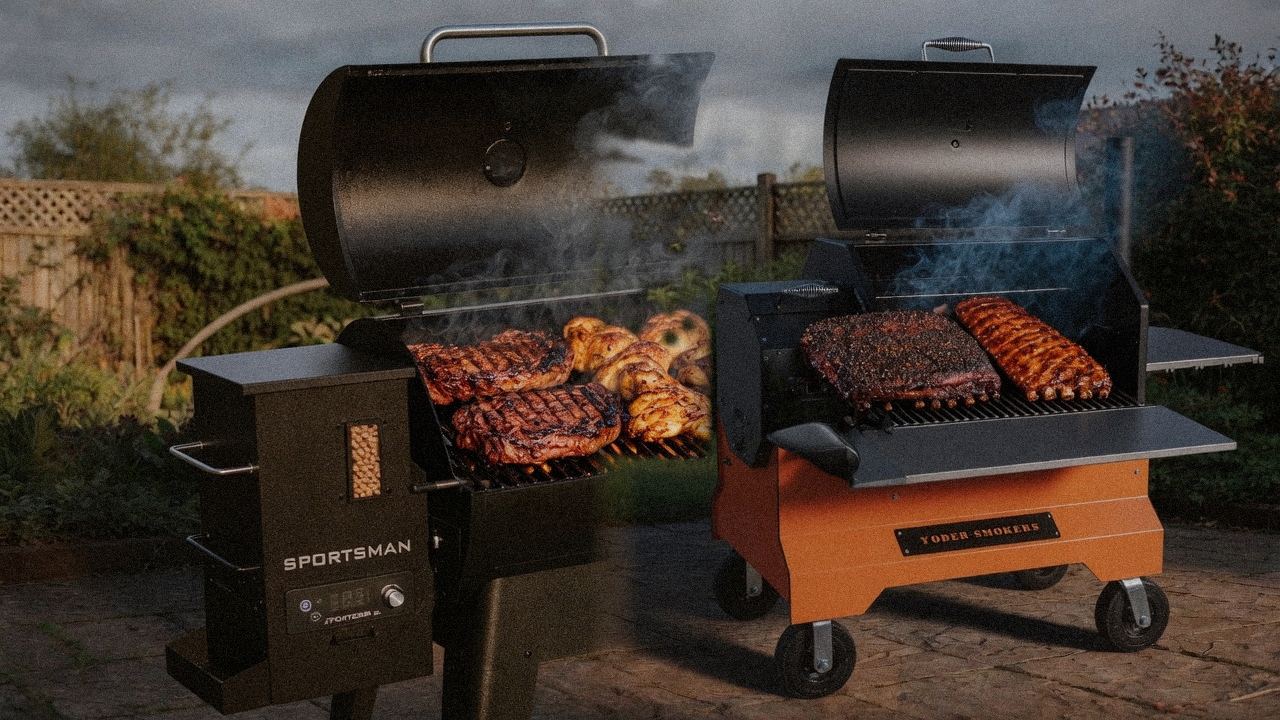
A pellet grill is a controlled-combustion machine, so no pellet brand out-smokes a stick burner, but 8.5 puts the Yoder near the top of what the format does. The cost of that heavier fire is fuel: Yoder efficiency scored 7, and high pellet use on long cooks is one of the most repeated YS-series owner reports. Budget pellets accordingly.
Which is built to last?
Yoder, and this is the whole reason the brand exists. The YS-series scored a perfect 10 for build, the only 10 we've recorded, with quarter-inch American steel and a 10-year warranty. Pit Boss builds a lighter grill to hit a price, and backs it for 5 years.
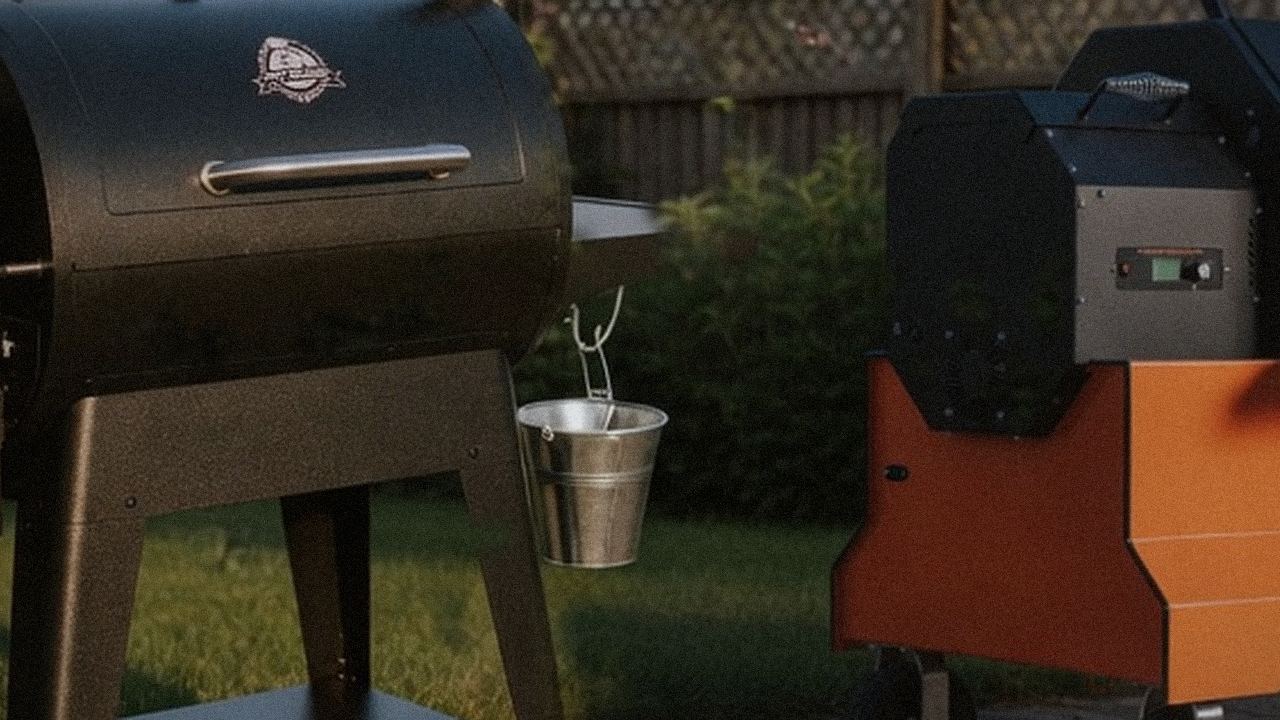
The Yoder is welded in Kansas from the kind of steel competition cooks trailer around the country. Ten years of warranty is a manufacturer telling you it expects the pit to be running in 2036. That does not make it invincible: owners report surface rust on door and lid edges over time, and on paint and grates in humid or coastal areas, plus occasional igniter and electronics failures from a minority. Thick steel still rusts on the surface. Buy the cover, do the touch-ups, and the structure itself is not the thing that fails.
Pit Boss plays a different game. The steel is thinner, the finish is big-box grade, and the 5-year warranty is actually one of the longer promises at its price point. Nobody buys a Pro 850 expecting to hand it to their kids. You buy it expecting years of good cooking for a fraction of the money, and on that expectation it delivers.
What do owners actually complain about?
Yoder complaints cluster around rust in damp climates, occasional igniter or thermocouple failures, and heavy pellet consumption. The documented Pit Boss complaint in our data belongs to the discontinued Competition 1250: big temperature swings, which is exactly why the Pro Series replaced it.
The Yoder YS-series list, from owner reports on file:
- Rust on door and lid edges after extended use
- Rust on paint, coating, and grates in humid or coastal areas
- Igniter, thermocouple, and electronics failures from a minority of owners
- High pellet consumption during long cooks
- Slight left-right temp gradient or minor grate unevenness in some tests
What does the value math say?
Pit Boss sells the most grill per dollar at retail, and it is not close. The $749 Sportsman works out to $0.88 per square inch against $2.52 for the YS640s and $2.81 for the YS480s. Only per warranty year does the gap narrow: $150 for the Sportsman, $225 to $270 for the Yoders.
| Value math | Pit Boss Sportsman | Yoder YS640s | Yoder YS480s |
|---|---|---|---|
| Price | $749 | $2,699 | $2,249 |
| Cooking area | 849 sq in | 1,070 sq in | 800 sq in |
| Price per sq in | $0.88 | $2.52 | $2.81 |
| Warranty | 5 yr | 10 yr | 10 yr |
| Price per warranty year | $150 | $270 | $225 |
Read the top half plainly: the YS480s costs three times as much as the Sportsman and gives you 49 fewer square inches. You could buy a Sportsman, wear it out, buy a second one, and still have around $750 left against the price of one YS640s. The bottom half is Yoder's rebuttal, and it's real: the decade-long promise shrinks the sticker shock without erasing it. That's the entire matchup in one table. Pit Boss wins the purchase. Yoder wins the decade.
Which one should a first-timer buy?
The Pit Boss, almost every time. A first pellet grill teaches you whether you even like this style of cooking, and a Pro 850 or Sportsman answers that question for a fraction of Yoder money, with WiFi, direct searing, and a 5-year warranty already included.
Spending $2,699 on a first grill buys durability you don't yet know you need and capacity you haven't learned to fill. Cook on the Pit Boss for a couple of seasons, and if you find yourself running overnight briskets monthly and cursing the sheet metal, you'll know the Yoder is your second grill, and you'll appreciate what the money buys. One more thing a first-timer should hear: neither of these is our overall pick. The Weber Searwood XL sits at #1 on our tested pellet grill rankings, and it lands between these two on price, so check the current price if you'd rather split the difference than pick a side.
Who should actually pay 3x for the Yoder?
The cook who has already decided this is a ten-year purchase. If longevity is the spec you're shopping for, quarter-inch steel and a 10-year warranty are exactly what $2,249 to $2,699 buys, and no Pit Boss pretends to compete on that axis.
There are three honest Yoder buyers. The buy-it-once cook who would rather pay up front than pay twice. The serious barbecue hobbyist who wants competition-grade steel and an 8.5 measured score under real scrutiny. And the buy-American purchaser for whom a Kansas-built pit is part of the point. If you're one of them, cross-shop within that tier before you commit: my recteq vs Yoder piece covers the brand that undercuts Yoder while chasing its build reputation, and Traeger vs Yoder covers the bigger-name premium route. What the extra money never buys, on any of those pages, is three times the cooking. It buys steel and time.
Verdict: Pit Boss or Yoder?
Neither brand beats the other, because they aren't playing the same game, and the honest verdict is to define your budget first. Under $1,000, Pit Boss is the answer and the value is genuinely hard to argue with. When longevity is the spec, the Yoder's steel and 10-year warranty are what you're buying.
I keep both around for a reason. The Pit Boss is the grill I tell neighbors to buy when they ask how to get into pellet cooking without a painful mistake: $0.88 per square inch, WiFi, real flame searing, five years of coverage. The Yoder is the grill I'd buy with wedding-gift logic, once, heavy, meant to stay. The only wrong purchase in this matchup is buying the one priced for the other person's life.
Is Yoder better than Pit Boss?
Yoder is the better-built grill by a wide margin: quarter-inch American steel, a perfect 10 build score, a measured 8.5 overall, and a 10-year warranty. Pit Boss is the better value by an equally wide margin at $0.88 per square inch on the Sportsman. Better depends entirely on whether your budget is $749 or $2,699.
How long does a Yoder YS640s last?
Yoder warranties the YS640s for 10 years, and the heavy welded steel has a reputation for outlasting that. The realistic maintenance items owners report are surface rust on door and lid edges, worse in humid or coastal climates, and occasional igniter or thermocouple replacements. Structural failure is not the pattern.
How long do Pit Boss pellet grills last?
Pit Boss backs its current Pro Series, Sportsman, and Navigator models with a 5-year warranty, long for the price tier. The build is lighter than premium pits, so think in terms of five to eight good years with a cover and regular cleaning rather than the decade-plus a Yoder is engineered for.
Do Yoder pellet grills rust?
On the surface, yes. Owners report rust on door and lid edges after extended use, and on paint, coating, and grates in humid or coastal areas. It's cosmetic wear on very thick steel rather than a structural problem. A cover and occasional touch-up paint keep it in check.
Is Pit Boss good quality for the money?
Yes, and the money is the operative phrase. The $749 Sportsman delivers 849 square inches, a 21 lb hopper, 500°F, WiFi, direct-flame searing, and 5 years of warranty at $0.88 per square inch, the cheapest cooking area in this matchup by a factor of about three. It is not Yoder steel, and it isn't priced like it.